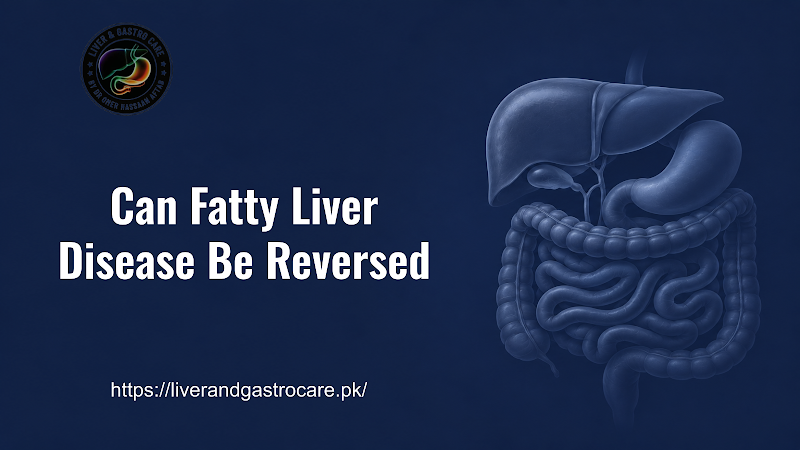
Yes, fatty liver disease can be reversed, especially when caught in its early stages and addressed through lifestyle changes. Fatty liver disease, also known as hepatic steatosis, occurs when excess fat accumulates in liver cells, potentially leading to inflammation and damage. The good news is that the liver has a remarkable ability to regenerate and heal itself when given the right conditions. Understanding the reversibility of this condition and the steps to achieve it is crucial for anyone diagnosed with or at risk of developing fatty liver disease.
Table of Contents
- Understanding Fatty Liver Disease and Its Reversibility
- Lifestyle Changes That Can Reverse Fatty Liver Disease
- Dietary Modifications for Liver Health
- Medical Interventions and Professional Guidance
- Monitoring Progress and Recovery Timeline
- FAQ’s
- Conclusion
Understanding Fatty Liver Disease and Its Reversibility
The Two Types of Fatty Liver Disease
Fatty liver disease exists in two distinct forms: non-alcoholic fatty liver disease (NAFLD) and alcoholic fatty liver disease (AFLD). NAFLD is the most common form, affecting approximately 25-30% of the global population and occurring without significant alcohol consumption. AFLD develops in individuals who consume excessive alcohol over prolonged periods, damaging liver cells and promoting fat accumulation. Both types can progress from simple steatosis to more severe conditions like steatohepatitis and cirrhosis if left untreated.
Early-Stage Reversibility and Prognosis
Fatty liver disease can be reversed when intervention occurs during the early stages before significant scarring develops. Research demonstrates that weight loss of just 5-10% can reduce liver fat content substantially in patients with NAFLD. The reversibility depends largely on how much damage has already occurred to the liver tissue. Individuals who address the condition promptly have significantly better outcomes than those who delay treatment.
| Disease Stage | Reversibility | Key Actions Required |
|---|---|---|
| Simple Steatosis | Highly Reversible | Lifestyle changes, weight loss |
| Non-Alcoholic Steatohepatitis (NASH) | Partially Reversible | Medical intervention, strict diet |
| Cirrhosis | Not Reversible | Liver transplant or management |
Lifestyle Changes That Can Reverse Fatty Liver Disease
Weight Loss and Exercise
Achieving gradual, sustainable weight loss is one of the most effective ways to reverse fatty liver disease and improve overall liver function. Exercise increases calorie burn, improves insulin sensitivity, and reduces visceral fat that directly impacts liver health. A combination of aerobic exercise and strength training produces better results than either approach alone. Studies show that even 30 minutes of moderate-intensity exercise five times per week can significantly improve liver condition.
Alcohol Cessation and Substance Management
Complete abstinence from alcohol is essential for anyone with alcoholic fatty liver disease or at-risk individuals with NAFLD. Alcohol metabolism produces toxic byproducts that damage liver cells and accelerate fat accumulation. Within weeks to months of stopping alcohol consumption, many individuals experience noticeable improvements in liver enzyme levels. Furthermore, eliminating alcohol reduces inflammation and allows the liver to begin the healing process more effectively.
- Aim for 150 minutes of moderate aerobic activity weekly
- Include resistance training 2-3 times per week
- Start with small, achievable fitness goals to build momentum
- Find enjoyable activities like walking, swimming, or cycling
- Reduce sedentary time throughout the day
Dietary Modifications for Liver Health
Foods to Eliminate and Reduce
Reducing sugar intake is critical, as fructose particularly contributes to liver fat accumulation and can worsen fatty liver disease significantly. Processed foods containing high-fructose corn syrup, refined carbohydrates, and unhealthy fats should be minimized or eliminated entirely. Trans fats found in fried foods and baked goods actively promote inflammation in the liver. Additionally, reducing salt intake helps prevent water retention and supports overall cardiovascular health alongside liver recovery.
Nutrient-Dense Foods and Optimal Nutrition
Consuming foods rich in antioxidants, vitamins, and minerals supports liver regeneration and detoxification processes. Leafy green vegetables, berries, nuts, and fatty fish containing omega-3 fatty acids are particularly beneficial for liver health. Whole grains provide sustained energy and help maintain stable blood sugar levels, reducing strain on the liver. In addition, adequate protein intake supports liver repair and helps maintain muscle mass during weight loss.
- Eat leafy greens like spinach and kale daily
- Include fatty fish such as salmon and mackerel twice weekly
- Choose whole grains over refined carbohydrates
- Add nuts, seeds, and olive oil for healthy fats
- Limit added sugars to less than 5% of daily calories
Medical Interventions and Professional Guidance
Diagnostic Testing and Monitoring
Consulting with a gastroenterologist in Islamabad or your local healthcare provider is essential for proper diagnosis and monitoring of fatty liver disease progression. Blood tests measuring liver enzymes (ALT, AST) and bilirubin levels provide critical information about liver function and damage. Ultrasound imaging and sometimes fibroscan or liver biopsy help determine the severity of fat accumulation and fibrosis. Regular monitoring ensures that your treatment approach is working effectively and allows for timely adjustments.
Pharmacological Treatment Options
Currently, no FDA-approved medications specifically treat fatty liver disease, though several promising agents are in development. A gastroenterologist in Islamabad may prescribe medications to address underlying conditions like diabetes, hypertension, or high cholesterol. Vitamin E supplementation has shown some benefit in non-diabetic patients with non-alcoholic steatohepatitis. However, medical treatment works best in combination with lifestyle modifications rather than as a standalone solution.
| Treatment Approach | Effectiveness | Best For |
|---|---|---|
| Lifestyle Changes | High | All types of fatty liver |
| Weight Management | Very High | NAFLD, metabolic syndrome |
| Medication | Moderate | Underlying conditions |
Monitoring Progress and Recovery Timeline
Reversing fatty liver disease requires patience and consistency, as the liver cannot repair itself overnight despite its remarkable regenerative capacity. Most individuals who commit to lifestyle changes see measurable improvements in liver function within 3-6 months. The timeline for complete reversal varies significantly based on disease severity, individual metabolism, and adherence to treatment recommendations.
- Track liver enzyme levels every 3 months during treatment
- Expect initial improvements in enzyme levels within 8-12 weeks
- Document weight loss and fitness improvements as motivation
- Schedule ultrasound follow-ups every 6-12 months to assess fat reduction
- Maintain regular communication with your healthcare provider about progress
FAQ’s
How long does it take to reverse fatty liver disease? Most individuals notice improvements in liver enzymes within 3-6 months of consistent lifestyle changes, though complete reversal may take 9-12 months or longer. The timeline depends on disease severity and how strictly you follow dietary and exercise recommendations.
Can fatty liver disease reverse without weight loss? While weight loss is the most effective intervention, some improvement can occur through dietary changes and increased physical activity alone. However, studies show that combining weight loss with other modifications produces significantly better outcomes.
Is alcohol-related fatty liver disease reversible? Alcoholic fatty liver disease can be reversed in many cases through complete alcohol cessation and lifestyle modifications. Early-stage alcoholic fatty liver disease typically shows improvement within weeks to months of stopping alcohol consumption.
What supplements help reverse fatty liver disease? Vitamin E, silymarin (milk thistle), and omega-3 fatty acids have shown some benefit in supporting liver health, though they work best alongside lifestyle changes. Always consult your healthcare provider before starting any supplement regimen, as some may interact with medications.
Can you fully reverse cirrhosis caused by fatty liver? Cirrhosis is irreversible scarring and cannot be undone, though managing the condition prevents further progression. Early intervention before cirrhosis develops is crucial, making prompt diagnosis and treatment essential.
Conclusion
Fatty liver disease is largely reversible when detected early and addressed through comprehensive lifestyle interventions including weight loss, dietary modification, and regular exercise. The liver’s ability to regenerate offers genuine hope to millions of individuals diagnosed with this increasingly common condition. Medical support from qualified healthcare professionals helps optimize treatment plans and monitor progress effectively. Commitment to sustainable changes rather than temporary fixes determines long-term success in reversing fatty liver disease. The benefits extend beyond liver health, improving overall cardiovascular health, energy levels, and quality of life. Take action today by scheduling a consultation with a qualified healthcare provider to assess your liver health and develop a personalized recovery plan.