
How Often Should You Get a Colonoscopy
Most people with average risk should get their first colonoscopy at age 45, and if no polyps or abnormalities are found, the next one is usually due in 10 years. People with a family history of colon cancer, prior polyps, or conditions like inflammatory bowel disease often need one every 1 to 5 years instead. The […]
Gastroscopy vs Colonoscopy Key Differences
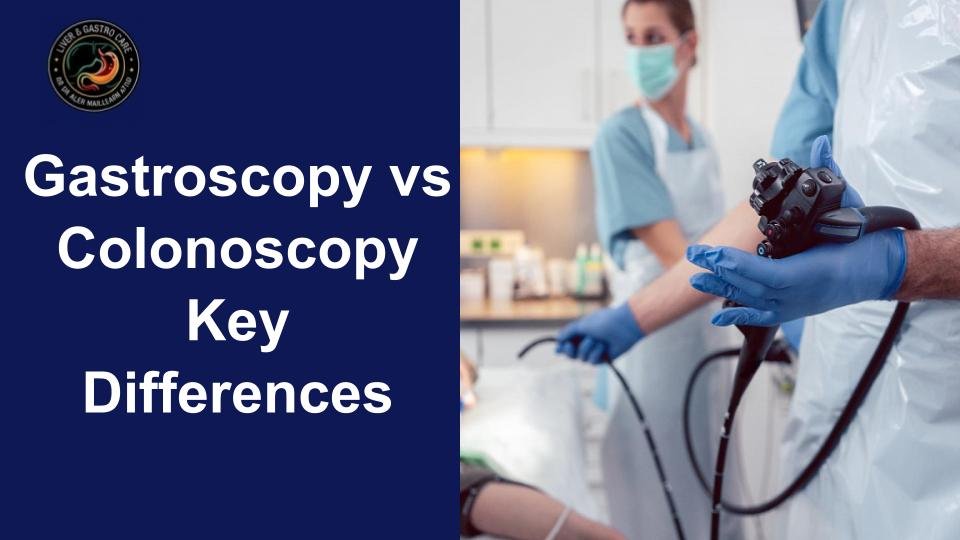
Gastroscopy examines the upper digestive tract including the oesophagus, stomach, and duodenum via a scope passed through the mouth, while colonoscopy examines the lower digestive tract including the colon and rectum via a scope passed through the back passage. Both use a flexible camera-fitted tube called an endoscope but target completely different parts of the […]
What Happens During a Colonoscopy Procedure
During a colonoscopy procedure, a doctor inserts a thin, flexible tube called a colonoscope through the rectum to examine the entire colon for polyps, inflammation, or other abnormalities, while the patient is under sedation and feels little to no discomfort. The exam itself usually takes 20 to 45 minutes, and any polyps found can often be […]
How to Prepare for a Gastroscopy
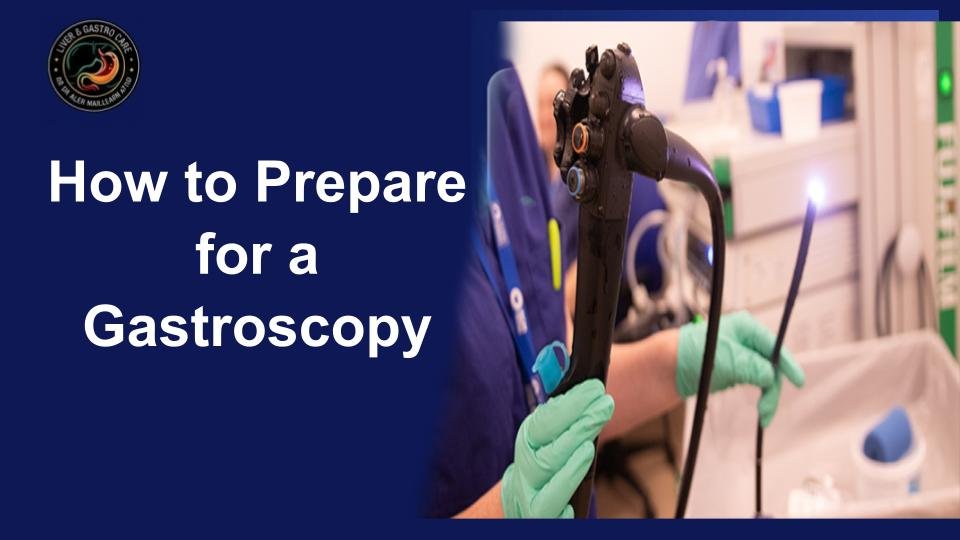
To prepare for a gastroscopy, stop eating solid food 6 to 8 hours before the procedure, stop drinking fluids 2 to 4 hours before, pause blood-thinning medications as advised by your doctor, arrange transport home if you are having sedation, and wear comfortable loose clothing on the day. Following these steps ensures the stomach is […]
What Is a Gastroscopy and Why Is It Needed?
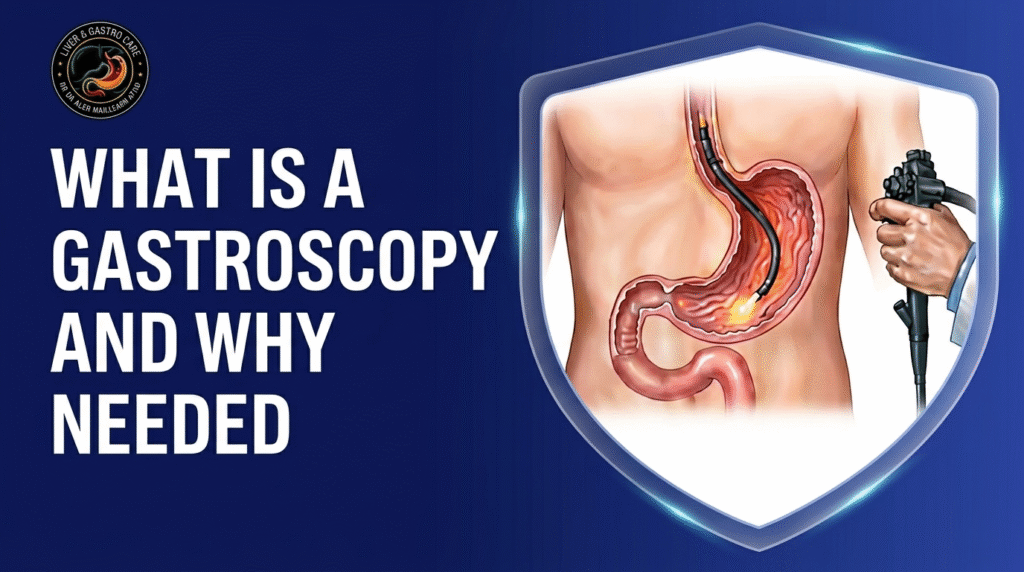
A gastroscopy is a medical procedure in which a thin, flexible tube called a gastroscope, fitted with a tiny camera and light source, is passed through the mouth and guided down the throat into the oesophagus, stomach, and the first section of the small intestine known as the duodenum. This allows a gastroenterologist to directly […]