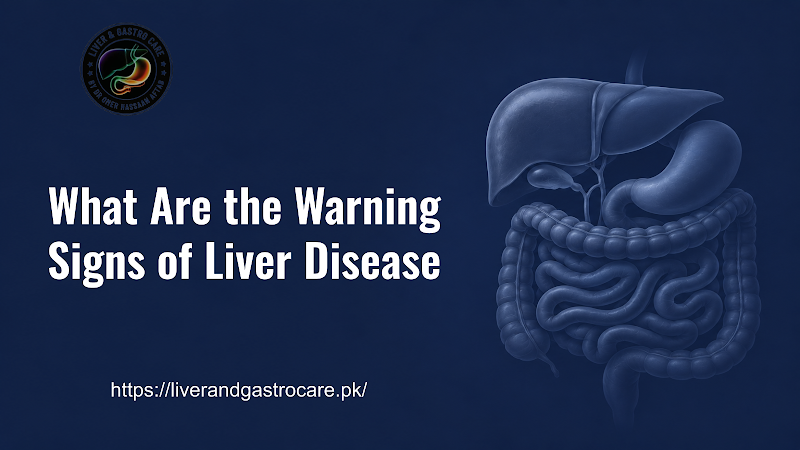
The warning signs of liver disease are critical health indicators that should never be ignored, as early detection can significantly improve treatment outcomes. Your liver is your body’s largest internal organ, responsible for filtering toxins, producing essential proteins, and managing digestion. When liver disease develops, it often progresses silently without obvious symptoms in its early stages. Understanding these warning signs empowers you to seek medical attention promptly and protect your long-term health.
Table of Contents
- Early Physical Warning Signs of Liver Disease
- Gastrointestinal and Digestive Symptoms
- Skin Changes and Appearance Indicators
- Behavioral and Neurological Warning Signs
- Risk Factors and Prevention Strategies
- FAQ’s
- Conclusion
Early Physical Warning Signs of Liver Disease
Fatigue and Weakness
Persistent fatigue is one of the earliest and most common warning signs that your liver may not be functioning optimally. When your liver becomes damaged, it struggles to process nutrients and produce energy efficiently, leaving you feeling exhausted even after adequate rest. This tiredness often worsens as the day progresses and may interfere with your ability to perform daily activities. Unlike normal tiredness, liver-related fatigue is often accompanied by a general sense of malaise and difficulty concentrating.
Abdominal Swelling and Discomfort
Swelling in the abdominal area, particularly around the upper right section where the liver resides, can indicate liver disease progression. This swelling occurs when the liver enlarges or when fluid accumulates in the abdomen, a condition called ascites. You may notice your pants fitting differently or experience a feeling of fullness even without eating much food. Abdominal tenderness or pain in the right upper quadrant should prompt you to consult a healthcare provider immediately.
| Warning Sign | Frequency | Severity Level |
|---|---|---|
| Fatigue | Very Common | Mild to Moderate |
| Abdominal Pain | Common | Moderate |
| Swelling | Common | Moderate to Severe |
Gastrointestinal and Digestive Symptoms
Nausea and Loss of Appetite
Nausea is a frequent complaint among individuals with liver disease, occurring because the liver cannot properly detoxify the body. This persistent queasiness may be accompanied by vomiting, especially in the morning hours or after consuming fatty foods. Your appetite may diminish significantly, leading to unintended weight loss and nutritional deficiencies. These digestive disturbances can severely impact your quality of life and overall nutritional status if left unaddressed.
Changes in Bowel Movements and Stool Color
Alterations in your bowel habits can serve as important indicators of liver dysfunction, particularly if your stools become pale, gray, or clay-colored. This discoloration occurs because the liver is not producing adequate bile to aid in digestion and stool coloration. Conversely, dark or tarry stools may indicate internal bleeding, which is a serious complication requiring immediate medical evaluation. Furthermore, you might experience constipation or diarrhea as your liver struggles to process fats and regulate digestive processes.
- Persistent nausea lasting more than two weeks
- Significant appetite loss leading to weight changes
- Pale or clay-colored stools indicating bile dysfunction
- Dark urine that resembles strong tea or cola
- Unexplained diarrhea or constipation patterns
Skin Changes and Appearance Indicators
Jaundice and Yellow Discoloration
Jaundice is a hallmark warning sign of liver disease, characterized by yellowing of the skin, eyes, and mucous membranes due to excessive bilirubin buildup. When the liver cannot process bilirubin properly, this yellow pigment accumulates in the bloodstream and tissues. This visible change often develops gradually, and you may not notice it yourself until family members or healthcare providers point it out. Jaundice typically indicates moderate to advanced liver disease and warrants urgent medical consultation.
Itching and Skin Texture Changes
Chronic itching, medically known as pruritus, affects many liver disease patients and can become intensely bothersome and sleep-disrupting. This itching sensation occurs due to bile salt accumulation in the skin as the liver fails to excrete these substances properly. You may also notice spider angiomas—small red spider-like blood vessels appearing on your skin—which indicate compromised liver function. Additionally, your skin may become dry, pale, or develop unusual bruising due to impaired clotting factor production by the damaged liver.
- Yellow discoloration starting in the whites of the eyes
- Intense itching without visible rash or skin irritation
- Spider-like blood vessels on chest and face
- Easy bruising from minor bumps or injuries
- Dry, flaking skin that worsens despite moisturizing
Behavioral and Neurological Warning Signs
Mental Confusion and Brain Fog
Cognitive changes such as confusion, memory problems, and difficulty concentrating are serious warning signs of advanced liver disease affecting your brain function. This condition, called hepatic encephalopathy, occurs when the liver cannot filter toxic ammonia from the blood, which then damages brain cells. You may experience difficulty performing familiar tasks, poor judgment, or personality changes that concern your loved ones. These neurological symptoms require immediate medical attention, as they indicate significant liver dysfunction that could be life-threatening.
Sleep Disturbances and Mood Changes
Liver disease frequently disrupts sleep patterns, causing insomnia, excessive daytime sleepiness, or reversed sleep cycles where you sleep during the day and remain awake at night. These sleep disturbances often accompany mood changes including depression, anxiety, irritability, and emotional instability. The combination of poor sleep and neurological effects from liver disease creates a challenging cycle affecting your mental health and physical recovery. Addressing these symptoms with a gastroenterologist in Islamabad or qualified hepatologist is essential for managing your condition effectively.
| Neurological Sign | Cause in Liver Disease | Urgency Level |
|---|---|---|
| Confusion | Ammonia Buildup | Urgent |
| Sleep Problems | Metabolic Changes | High |
| Mood Changes | Toxin Accumulation | High |
Risk Factors and Prevention Strategies
Understanding your risk factors for liver disease enables you to take proactive steps toward prevention and early detection. Certain lifestyle habits, medical conditions, and genetic factors significantly increase your likelihood of developing liver disease. By recognizing these risk factors and implementing preventive measures, you can substantially reduce your chances of experiencing serious liver complications.
- Limit alcohol consumption to recommended safe levels or eliminate it entirely
- Maintain a healthy weight through balanced diet and regular physical activity
- Get vaccinated against hepatitis A and B viruses if you’re at risk
- Avoid sharing personal items like razors or toothbrushes that could transmit infections
- Monitor medications and supplements, as some can strain liver function over time
FAQ’s
What is the most common warning sign of liver disease? Fatigue is typically the earliest and most common warning sign, as the damaged liver struggles to produce sufficient energy. This exhaustion often persists despite adequate sleep and rest.
Can liver disease be cured if caught early? Early detection significantly improves treatment outcomes, and some liver conditions can be reversed with proper medical intervention and lifestyle changes. However, advanced cirrhosis cannot be completely cured, making early prevention crucial.
Is yellowing of the skin always a sign of liver disease? While jaundice strongly indicates liver problems, it can occasionally result from other conditions affecting bilirubin processing. A medical professional must evaluate jaundice to determine its underlying cause.
How often should I get my liver checked if I have risk factors? Individuals with risk factors should undergo annual liver function tests and ultrasounds as recommended by their healthcare provider. Regular monitoring helps detect disease progression early when interventions are most effective.
What should I do if I notice liver disease warning signs? Schedule an appointment with a gastroenterologist who can perform diagnostic tests including liver function panels and imaging studies. Do not delay seeking medical attention, as early intervention dramatically improves health outcomes.
Conclusion
Recognizing the warning signs of liver disease is essential for protecting your health and ensuring early medical intervention when problems arise. From physical symptoms like fatigue and abdominal swelling to skin changes including jaundice and neurological signs such as confusion, these indicators should never be dismissed as minor health concerns. The liver’s role in detoxification, digestion, and nutrient processing makes it vital to maintain its optimal function through healthy lifestyle choices. Many liver diseases are preventable or manageable through proper medical care, vaccination, and lifestyle modifications that reduce risk factors. If you experience any combination of these warning signs, consulting with a qualified gastroenterologist is the responsible first step toward diagnosis and treatment. Take charge of your liver health today by scheduling a professional evaluation and discussing your concerns with a trusted healthcare provider.