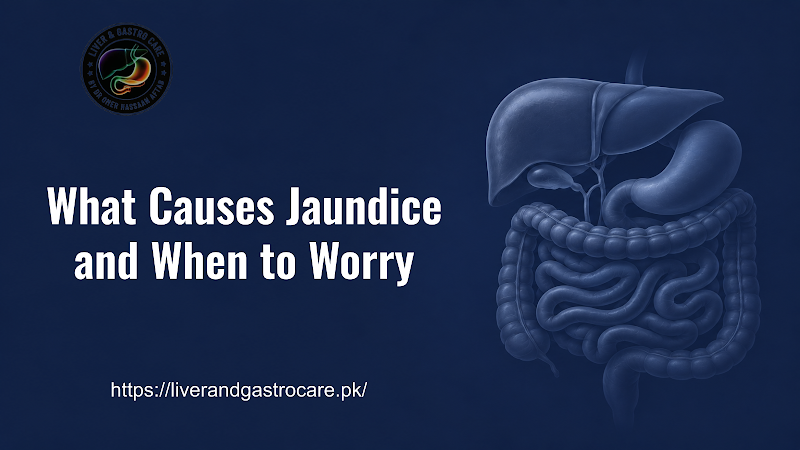
Jaundice is a condition characterized by a yellowing of the skin and eyes caused by elevated bilirubin levels in the bloodstream. This symptom can indicate various underlying health conditions ranging from mild to serious. Understanding what causes jaundice and recognizing warning signs is crucial for timely medical intervention. In this guide, we’ll explore the main causes, when you should worry, and what steps to take.
Table of Contents
- Understanding Jaundice and Its Mechanisms
- Primary Causes of Jaundice in Adults
- Jaundice in Newborns and Children
- Warning Signs and When to Seek Medical Help
- Diagnostic Approaches and Testing
- FAQ’s
- Conclusion
Understanding Jaundice and Its Mechanisms
How Bilirubin Buildup Occurs
Bilirubin is a yellow pigment produced when red blood cells break down in the liver. Normally, the liver processes this bilirubin and excretes it through bile into the digestive system. When bilirubin accumulates faster than the liver can process it, it enters the bloodstream and causes yellowing. This process is the fundamental mechanism behind all cases of jaundice.
The Three Types of Jaundice
Prehepatic jaundice occurs when excessive red blood cell destruction overwhelms the liver’s processing capacity. Hepatic jaundice develops when liver disease impairs the organ’s ability to process bilirubin effectively. Posthepatic jaundice happens when bile ducts become blocked, preventing bilirubin from leaving the liver. Understanding which type a patient has is essential for determining the appropriate treatment approach.
| Type of Jaundice | Primary Cause | Common Trigger |
|---|---|---|
| Prehepatic | Excess RBC breakdown | Hemolytic anemia |
| Hepatic | Liver dysfunction | Viral hepatitis |
| Posthepatic | Bile duct blockage | Gallstones |
Primary Causes of Jaundice in Adults
Liver Disease and Infections
Hepatitis A, B, and C are viral infections that directly damage liver cells and impair bilirubin processing. Cirrhosis, often caused by chronic alcohol consumption or hepatitis, severely reduces liver function. Alcoholic liver disease develops when sustained drinking causes inflammation and scarring of liver tissue. These conditions are among the most common causes of jaundice in adult populations.
Obstruction and Metabolic Issues
Gallstones can lodge in the common bile duct, blocking bile flow and causing jaundice to develop suddenly. Pancreatic cancer may obstruct the bile duct as the tumor grows, leading to progressive yellowing. Autoimmune conditions like primary biliary cholangitis attack the bile ducts and cause chronic jaundice. Certain medications and metabolic disorders also contribute to elevated bilirubin levels in susceptible individuals.
- Viral hepatitis (A, B, C) causes acute liver inflammation and temporary jaundice
- Alcohol abuse leads to fatty liver disease and eventual cirrhosis with persistent jaundice
- Gallstones obstruct bile flow, producing sudden onset of yellowing symptoms
- Pancreatic tumors compress bile ducts and cause progressive bilirubin accumulation
- Hemolytic anemia increases red blood cell destruction beyond liver processing capacity
Jaundice in Newborns and Children
Physiological Newborn Jaundice
Newborn jaundice appears within the first 24 to 72 hours of life and affects up to 60% of term infants. The condition occurs because newborn livers are immature and cannot efficiently process bilirubin immediately after birth. This mild, temporary form typically resolves without treatment within one to two weeks. Physiological jaundice is considered a normal part of newborn development in most cases.
Pathological and Serious Forms in Children
Hemolytic disease of the newborn develops when maternal antibodies attack fetal red blood cells during pregnancy. Biliary atresia, a rare condition where bile ducts fail to develop properly, requires immediate surgical intervention. Infection or sepsis in newborns can damage liver function and cause dangerous bilirubin elevation. These serious forms demand urgent medical attention from pediatric specialists.
- Physiological jaundice appears after 24 hours and resolves naturally in most newborns
- Premature infants have higher risk due to less mature liver enzyme systems
- Blood type incompatibility between mother and baby causes hemolytic jaundice
- Biliary atresia requires surgery to create a bile duct drainage pathway
- Infections like cytomegalovirus can trigger pathological jaundice in newborns
Warning Signs and When to Seek Medical Help
Red Flags Requiring Immediate Attention
Severe itching accompanied by jaundice may indicate cholestasis or bile duct obstruction requiring urgent evaluation. Abdominal pain with fever and jaundice suggests acute hepatitis or cholecystitis. Dark urine combined with pale stools and yellowing indicates significant liver dysfunction or bile duct problems. Confusion, lethargy, or altered mental status alongside jaundice may signal acute liver failure.
Persistent Symptoms and Complications
Jaundice lasting longer than three weeks in adults warrants investigation by a gastroenterologist in Islamabad or qualified specialist. Weight loss combined with jaundice may indicate underlying cancer or advanced liver disease. Swelling in the legs and abdomen alongside yellowing suggests cirrhosis or portal hypertension. Vomiting blood or black, tarry stools with jaundice indicates life-threatening complications requiring emergency care.
| Warning Sign | Possible Condition | Urgency Level |
|---|---|---|
| Severe itching + jaundice | Cholestasis | High |
| Fever + abdominal pain + jaundice | Acute hepatitis | Very High |
| Dark urine + pale stools + yellowing | Bile duct obstruction | High |
Diagnostic Approaches and Testing
Medical professionals use blood tests to measure total and direct bilirubin levels, establishing the severity of jaundice. Imaging studies like ultrasound and CT scans help identify gallstones, bile duct obstruction, or liver damage. Liver function tests assess how well the organ is processing bilirubin and performing its metabolic duties.
- Serum bilirubin tests quantify the exact level of bilirubin in the bloodstream
- Liver enzyme tests (ALT, AST) indicate whether damage is hepatic or from other causes
- Ultrasound imaging detects gallstones and measures bile duct diameter
- CT or MRI provides detailed views of liver, pancreas, and bile duct structures
- Viral hepatitis screening identifies A, B, and C infections as potential causes
FAQ’s
Can jaundice go away on its own without treatment? Mild physiological jaundice in newborns typically resolves naturally within two weeks. However, jaundice in adults usually requires medical intervention to address the underlying cause.
Is all jaundice caused by liver disease? No, jaundice can result from gallstones, bile duct blockages, hemolytic anemia, or other non-liver conditions. Only hepatic jaundice directly involves primary liver dysfunction.
How quickly should I see a doctor if I notice yellowing of my skin? You should contact a healthcare provider within 24 hours for evaluation of jaundice. Seek emergency care immediately if jaundice accompanies severe abdominal pain, fever, or confusion.
What is the difference between jaundice and other causes of yellow skin? True jaundice involves the whites of the eyes turning yellow along with skin discoloration, indicating elevated bilirubin. Carotenemia from excessive carrot consumption causes only skin yellowing without eye involvement.
Can medications cause jaundice? Certain medications like acetaminophen, antibiotics, and anabolic steroids can damage the liver and trigger jaundice. Always inform your doctor of all medications you take if jaundice develops.
Conclusion
Jaundice serves as an important warning sign that something requires medical attention, whether in newborns or adults. The underlying causes range from benign conditions like gallstones to serious diseases like cirrhosis or cancer. Recognizing warning signs like severe itching, dark urine, and persistent yellowing helps guide appropriate timing for seeking care. Blood tests and imaging studies provide physicians with the diagnostic tools needed to identify the cause accurately. Early intervention when jaundice appears can prevent serious complications and improve treatment outcomes significantly. Contact a healthcare provider promptly if you notice yellowing of your skin or eyes to determine the underlying cause.