If you or a loved one has been experiencing persistent digestive problems, your doctor may have mentioned a procedure called ERCP. Many patients feel anxious when they hear medical terminology they don’t understand, especially when it involves the digestive system. ERCP, or Endoscopic Retrograde Cholangiopancreatography, is a common diagnostic and therapeutic procedure that helps healthcare providers treat various conditions affecting the pancreas, liver, and bile ducts. Understanding what this procedure is used for can help you feel more confident and informed about your treatment options. In this guide, we’ll explore the purpose, benefits, and what to expect from ERCP.
Table of Contents
- Understanding ERCP: Definition and Purpose
- Common Conditions Treated with ERCP
- The ERCP Procedure: How It Works
- Benefits and Recovery Information
- Frequently Asked Questions
- Conclusion
Understanding ERCP: Definition and Purpose
What is ERCP?
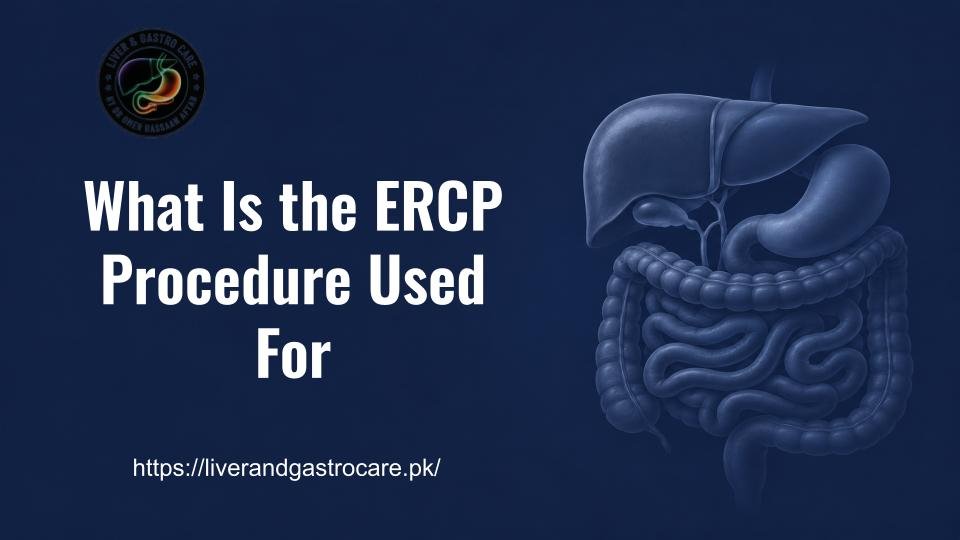
ERCP is a minimally invasive procedure that combines endoscopy with X-ray imaging to examine and treat problems in the pancreatic and bile ducts. During the procedure, a specialist called a gastroenterologist uses a long, flexible tube with a camera to visualize the inside of your digestive tract. Furthermore, the procedure allows doctors to identify blockages, stones, or other abnormalities without making large surgical incisions.
Why Doctors Recommend ERCP
Your doctor may recommend ERCP when imaging tests suggest a problem with your bile ducts or pancreas that requires immediate intervention. In addition, this procedure is preferred over traditional surgery because it offers lower risk, faster recovery, and better patient outcomes. ERCP can be both diagnostic, helping doctors see the problem, and therapeutic, allowing them to treat it in the same session.
Common Conditions Treated with ERCP
Gallstone and Bile Duct Issues
One of the most frequent reasons for ERCP is to remove gallstones lodged in the common bile duct, a condition called choledocholithiasis. These stones can cause severe pain, jaundice, and life-threatening infections if left untreated. However, ERCP allows doctors to safely extract these stones without surgical intervention, making it the gold standard treatment for this condition.
Pancreatic and Cholangitis Problems
ERCP is also used to treat pancreatitis, inflammation of the pancreas, by relieving pressure in the pancreatic duct through stent placement. Patients with acute cholangitis, a bacterial infection of the bile ducts, benefit greatly from this procedure as it allows drainage and infection relief. As a result, many patients experience rapid symptom improvement and recovery after undergoing ERCP for these serious conditions.
The ERCP Procedure: How It Works
Procedure Steps and Preparation
Before your ERCP, you’ll receive sedation to keep you comfortable throughout the examination. The gastroenterologist will gently guide the endoscope through your mouth, down your esophagus, and into your small intestine to reach the area of concern. Once in position, the doctor can take biopsies, remove stones, place stents, or drain fluid as needed.
Advanced Equipment and Techniques
Modern ERCP uses sophisticated endoscopes with high-definition cameras and specialized tools for precise intervention. In Islamabad and other major cities, gastroenterologists have access to cutting-edge equipment that improves accuracy and reduces complications. The combination of direct visualization and fluoroscopic imaging makes ERCP an invaluable diagnostic and therapeutic tool for biliary and pancreatic disorders.
| Condition | ERCP Treatment |
|---|---|
| Gallstones in bile duct | Stone extraction |
| Blocked pancreatic duct | Stent placement |
| Bile duct stricture | Dilation and stenting |
Benefits and Recovery Information
Advantages Over Surgery
Compared to open surgical procedures, ERCP offers numerous benefits that make it the preferred treatment option for many patients. The procedure results in minimal tissue damage, reduced pain, shorter hospital stays, and faster return to normal activities. Furthermore, because no large incisions are needed, infection risk and scarring are significantly decreased compared to traditional surgery.
Recovery Timeline and Aftercare
Most patients return home the same day or after an overnight observation period following ERCP. You may experience mild throat soreness or abdominal discomfort, which typically resolves within twenty-four hours with rest and pain relief. However, it’s important to follow your doctor’s post-procedure instructions carefully and contact your Gastroenterologist in Islamabad if you experience severe pain, fever, or persistent bleeding.
Key points to remember about ERCP recovery include:
- Arrange transportation home as sedation effects persist for several hours
- Avoid eating solid foods for at least two hours after the procedure
- Resume normal activities gradually over the following week
- Attend all follow-up appointments to monitor your progress
- Report any complications like fever or severe pain immediately
Frequently Asked Questions
Is ERCP a safe procedure?
Yes, ERCP is generally safe when performed by experienced specialists, with serious complications occurring in less than five percent of cases. Your doctor will discuss potential risks with you beforehand and explain how they minimize complications through proper technique and equipment.
How long does an ERCP procedure take?
The procedure typically lasts between thirty minutes to one hour, depending on the complexity of your condition and the treatments required. Additional time is needed for sedation administration and recovery observation before discharge.
Will I feel pain during ERCP?
You will receive sedation before the procedure, so you’ll be in a relaxed state and shouldn’t feel significant pain during the examination. Most patients report feeling only mild discomfort or awareness of the scope moving through their digestive tract.
What conditions require ERCP treatment?
ERCP is used for gallstones in the bile duct, pancreatic duct blockages, bile duct strictures, pancreatitis, and cholangitis infections. Your gastroenterologist will determine if ERCP is appropriate based on your symptoms, imaging results, and overall health status.
Conclusion
ERCP has revolutionized the treatment of biliary and pancreatic disorders, offering patients a safe and effective alternative to traditional surgery. Understanding what this procedure is used for and how it works can help alleviate anxiety and prepare you for successful treatment. Whether you’re dealing with gallstones, pancreatic inflammation, or bile duct infections, ERCP provides both diagnostic insight and therapeutic relief in a single minimally invasive intervention. The benefits of faster recovery, reduced complications, and proven effectiveness make ERCP the gold standard treatment recommended by gastroenterologists worldwide. If your doctor has suggested ERCP, remember that this procedure has helped millions of patients regain their health and quality of life. Speak openly with your healthcare team about any concerns, and don’t hesitate to ask questions about your upcoming procedure or post-care instructions.